Cash, Cards and the Lekki Split
Lekki runs on two economies that meet at the same junction. Along Admiralty Way, Fola Osibo and the Lekki Phase 1 roundabout, the small stuff — suya, okada, market tomatoes at Ikota — is cash-first. Inside the malls and chain restaurants (Lekki Phase 1's Admiralty Mall, Novare Palms on the Lekki-Epe Expressway), cards and transfers are routine. Plan a daily cash float of ₦20,000–₦40,000 per person for taxis, snacks and tips, and keep it in small notes, because change for a ₦1,000 note at a roadside stall is often a negotiation.
Load your cash before you cross the Lekki-Ikoyi Link Bridge toll or head east past the Second Toll Gate — ATMs cluster around Lekki Phase 1 and the malls, and they empty fast at weekends. Nigerian banks' ATM withdrawal limits per transaction are modest, so budget two or three withdrawals rather than one big one. If you are staying at a hotel in Lekki Phase 1 rather than deep in Ajah or Sangotedo, you will find a cash point within a ten-minute walk almost anywhere, and that is a real reason to pick a Phase 1 base.
Cards That Actually Work Here
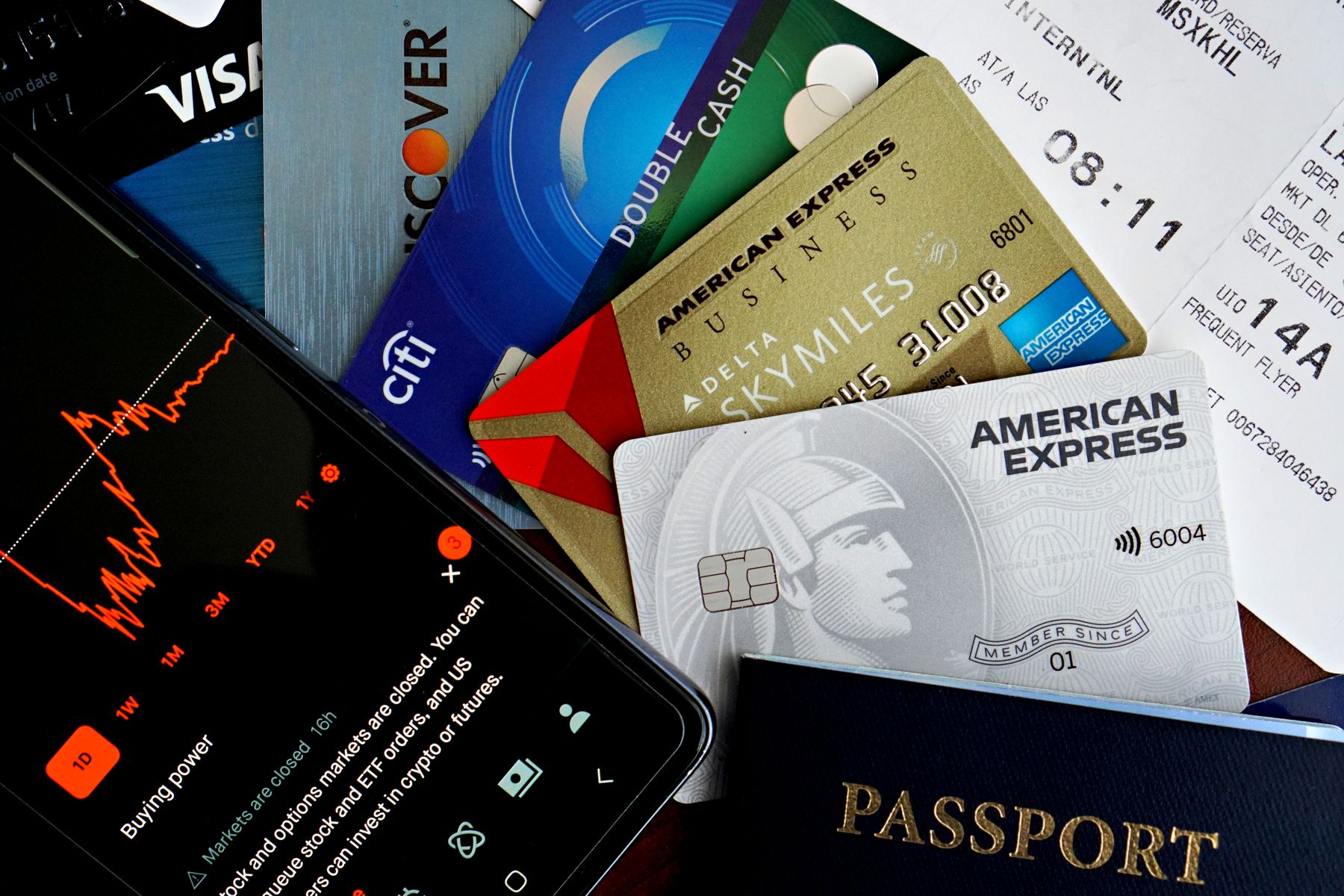
Visa and Mastercard are accepted at most Lekki malls, supermarkets (Shoprite at Novare Palms, Goodies in Lekki Phase 1) and mid-range hotels; the problem is foreign-issued cards triggering local payment gateways. Expect a text-message verification code to your home number, so keep that SIM active for the trip. Many Lekki hotels, including smaller ones along Bisola Durosinmi-Etti and Ogombo Road, still ask for a bank transfer or cash for extras, so ask at check-in what the deposit and payment method is before you unpack.
Carry two cards from different issuers, keep them in separate bags, and photograph the back of each — not the front — in case you need to block one. Nigerian banks' POS terminals occasionally go offline, so a declined card is more often a network issue than an empty account; simply asking the cashier to retry usually works. For transfers, apps like your bank's own mobile app are more reliable than international wallets, which are patchy in Lekki. Skip traveller's cheques entirely — no one in Lekki will take them.
Data, SIMs and Staying Connected
Buy a local SIM at the airport on arrival or at an MTN or Airtel shop in Lekki Phase 1 or the Palms mall; you will need your passport for registration. A monthly data bundle in the tens of gigabytes costs a few thousand naira, though prices change — check the operator's counter rather than trusting a blog. Coverage on 4G is good along the Lekki-Epe Expressway and in Lekki Phase 1, drops in parts of Ajah and Sangotedo at peak hours, and is weak on the deep beach stretches past Eleko, where you should not rely on a call for a taxi pickup.
Download offline maps of Lekki before you leave home: the road network is changing quickly, and a hotel on the second or third row off Admiralty Way is easy to miss. Power cuts are common, so bring a power bank and a UK-style three-pin adapter; most Lekki hotels run generators but not always through the night in the cheaper bands. If remote work matters, ask your hotel about backup power and internet before booking — a mid-range Lekki Phase 1 hotel is generally more reliable than a budget option further east.
What to Book and What to Skip
For a first visit, base yourself in Lekki Phase 1 — walkable to restaurants, ATMs and pharmacies, roughly 20–40 minutes by taxi from Victoria Island depending on traffic, and 45–75 minutes to the Lekki Conservation Centre on a good day. Budget bands run from modest guesthouses off Ogombo Road up to serviced apartments around Admiralty Way; avoid booking deep in Ajah or Sangotedo if you plan to be in Lekki Phase 1 most evenings, because the expressway traffic at 6pm is punishing and taxis charge accordingly.
Skip the temptation to pay a stranger's card for a cash top-up, and skip carrying your passport on a beach day — a photocopy and a phone photo are enough. Book accommodation in advance, especially in December and the Easter period, when Lekki hotels fill and walk-in rates climb. If you want a hotel we would choose for a first-timer, look for one within a short walk of Admiralty Way: you keep your cash runs, SIM top-ups and taxi pickups simple, which is most of the battle in Lekki.
Questions, answered
How much cash should I carry per day in Lekki?
Plan ₦20,000–₦40,000 per person daily for taxis, street food and tips, in small notes. Top up at mall or Lekki Phase 1 ATMs, and carry less on beach days past Eleko where cash points are scarce.
Will my foreign bank card work in Lekki?
Visa and Mastercard work at malls, supermarkets and mid-range hotels, but online verification codes can be an issue — keep your home SIM active. Bring two cards from different issuers and ask your hotel about payment methods at check-in.
Can I rely on mobile data across Lekki?
Coverage is strong in Lekki Phase 1 and along the Lekki-Epe Expressway, patchy in Ajah and Sangotedo at peak times, and weak on distant beaches. Buy a local SIM with your passport and download offline maps before you arrive.
Doing good is the business: every booking through Stay Lekki funds one verified tonne of carbon removal — same room, same price, no markup.
Start Your Search