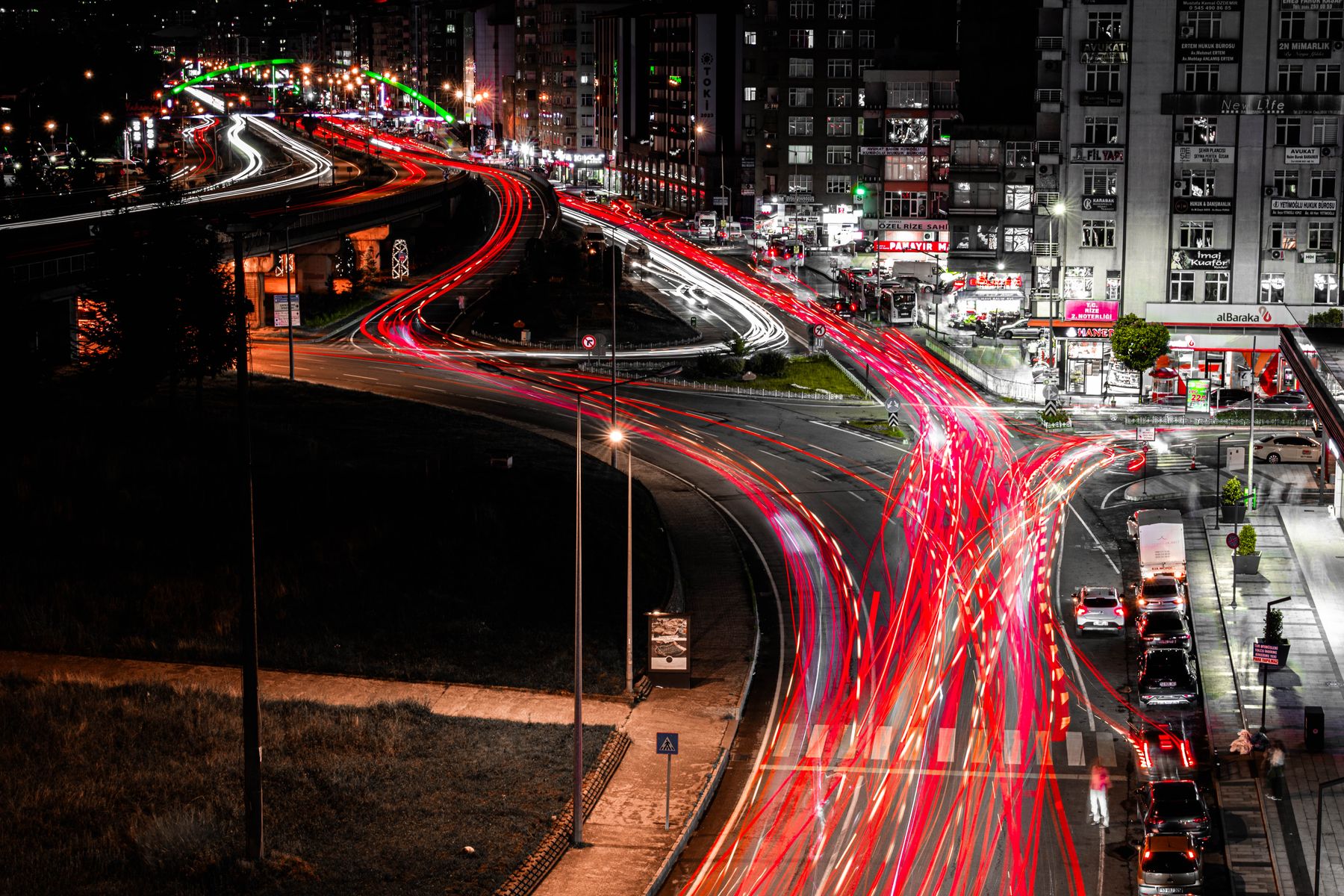
When the Lekki Expressway grinds to a halt
The Lekki Expressway, also called the Lekki-Epe Expressway, is the main artery connecting Lagos Island to the Lekki Peninsula. Traffic builds from 6:30 to 9:30 on weekday mornings, when residents head toward Victoria Island and Ikoyi, and again from 16:00 to 20:00 as they return. The worst stretch is often between the Lekki-Ikoyi Link Bridge toll plaza and the Admiralty Way junction, where multiple lanes merge. Friday evenings are particularly heavy, with delays stretching past 20:30. If you're arriving by air, allow at least 90 minutes from Murtala Muhammed International Airport to Lekki Phase 1 during peak times; off-peak it can take 45 minutes.
Rainy season, roughly June to September, makes things worse: flooding near the Lekki Phase 1 roundabout and around Ikate can bring traffic to a standstill. If your schedule is tight, avoid these months or add a buffer of an hour. The expressway is also busy on Saturday mornings as people head to the Lekki Market and the beaches, but Sunday mornings are usually clearer. For hotel bookings, consider arriving on a Sunday afternoon or a weekday midday to avoid the worst congestion.
Smarter routes: alternatives to the expressway
If you're coming from Lagos Island, the Lekki-Ikoyi Link Bridge is a tolled alternative that bypasses the busiest section of the expressway. The toll for private cars is around N250, and it can save you 20-30 minutes during peak hours. From the bridge, you join the expressway at the Lekki Phase 1 end, which is often smoother. Another option is the Coastal Road via Victoria Island, but it's longer and can be slow around the Eko Atlantic construction area. For those heading to the eastern part of Lekki, such as Ajah or Sangotedo, the newly expanded expressway has eased some bottlenecks, but the Lekki Phase 1 axis remains a chokepoint.
Public transport alternatives include the Bus Rapid Transit (BRT) along the expressway, but services are limited and often crowded. Keke napep (tricycles) are best for short hops within estates. If you're staying in a hotel in Lekki Phase 1, you can easily walk to many restaurants and shops, avoiding the need to drive during peak times. For beach resorts further east, like those in Awoyaya or Eleko, plan your arrival before 15:00 or after 20:00 to miss the worst traffic. Ride-hailing apps like Uber and Bolt are available, but surge pricing during peak hours can make them costly.
Where to stay to minimise traffic pain
Lekki Phase 1 is the most convenient base for short visits, with hotels ranging from budget options around N25,000 per night to upscale properties exceeding N100,000. Being north of the expressway, near Admiralty Way, puts you within walking distance of banks, cafes and the Lekki Market. The area is also close to the Lekki-Ikoyi Link Bridge, giving quick access to Lagos Island. If you prefer a quieter setting, consider Ikate Elegushi, just south of the expressway; it's a short drive to the beach and has a growing number of boutique hotels in the N40,000-70,000 range.
For beach lovers, hotels in Awoyaya or Eleko offer direct access to the shoreline, but you'll be further from the city action. Expect to pay N30,000-60,000 per night for mid-range options. The trade-off is a longer drive to Lagos Island—up to two hours in peak traffic. I would book in Lekki Phase 1 for a first visit, as it balances convenience and choice. For a weekend getaway, a beach hotel in Eleko is worth it if you plan to stay put. Avoid booking hotels deep in Ajah if you have early meetings on the island; the commute can be exhausting.
Timing your trip: best months and days
The dry season, from November to March, is the best time to visit Lekki. The roads are drier, and the beaches are more enjoyable. However, December is peak season, with heavy traffic and higher hotel rates—book well in advance. If you're flexible, aim for late January or February, when the weather is pleasant and crowds thinner. Weekdays are generally calmer than weekends, except for Friday evenings. For a stress-free arrival, schedule flights that land in the morning or late evening, outside the 6:30-9:30 and 16:00-20:00 windows.
When planning your stay, factor in the expressway's rhythm. If you're combining business on Lagos Island with leisure in Lekki, consider staying in Lekki Phase 1 and using the Link Bridge for commuting. For a pure beach holiday, head straight to the eastern beaches on a Sunday afternoon and avoid the Monday morning rush. Hotel rates in Lekki tend to be lower in the rainy season, but be prepared for delays. I would choose a hotel in Lekki Phase 1 for its flexibility, and use ride-hailing apps during off-peak hours to keep costs down.
Questions, answered
What are the peak hours on the Lekki Expressway?
Weekday mornings from 6:30 to 9:30 and evenings from 16:00 to 20:00 are the busiest. Friday evenings are especially heavy, often lasting until 20:30. Plan travel outside these windows to avoid long delays.
Is there a toll-free alternative to the Lekki Expressway?
The main toll-free alternative is the Coastal Road via Victoria Island, but it can be slow due to construction. The Lekki-Ikoyi Link Bridge is tolled (around N250 for cars) but saves time. Public transport options are limited.
Which area of Lekki is best for avoiding traffic?
Lekki Phase 1 offers the best balance, with easy access to the Link Bridge and amenities within walking distance. For beach stays, Eleko is peaceful but far from the city; expect long drives during peak hours.
Doing good is the business: every booking through Stay Lekki funds one verified tonne of carbon removal — same room, same price, no markup.
Start Your Search