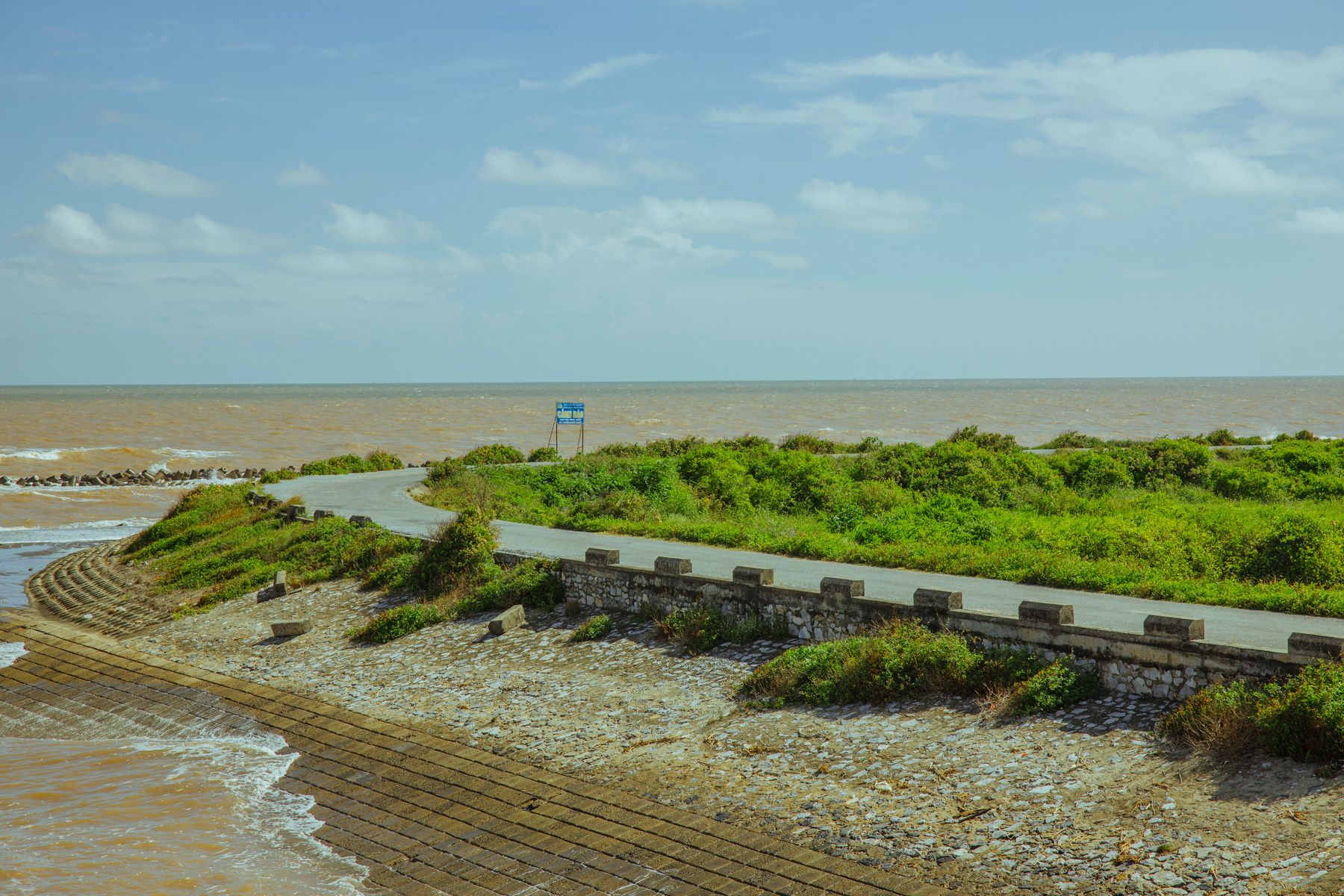
Lekki Conservation Centre: The Closest Proper Escape
The Lekki Conservation Centre on Lekki-Epe Expressway is the easiest day out from Lekki Phase 2. It is roughly a 15-minute drive (6–8 km) depending on traffic near the toll gate. Entry is about ₦2,000–₦3,000 for adults, and the canopy walkway — one of Africa’s longest — is the main draw. Go on a weekday morning when school groups are absent. The walkway takes 45–60 minutes, and the whole visit fits comfortably into three hours. Bring water and wear trainers; the path is sandy. Skip the weekend crowds if you can.
I would book this for the first morning of a Lekki stay. It is close enough that you are back at your hotel by lunchtime, and it gives you a genuine rainforest experience without a long drive. The centre also has a small picnic area, but the on-site cafe is basic, so eat before you go or head back toward Phase 2 for lunch. For a stress-free base, staying in Lekki Phase 2 puts you ten minutes from the toll gate and the conservation centre — a smart choice if you plan to do this trip.
Lagos Island and Victoria Island: History Without the Hassle
From Lekki Phase 2, Victoria Island is about 20–30 minutes via the Lekki-Ikoyi Link Bridge (toll around ₦250–₦300 for cars). Start at the National Museum on Onikan Road (entry ₦500–₦1,000) to see Nigerian antiquities and art. Then walk to Freedom Park, a former prison turned memorial and events space (entry free, though some events charge). Both are on Lagos Island, a further 10–15 minutes from Victoria Island. Do this on a weekday to avoid the weekend party traffic on Adeola Odeku Street. The museum is small but well curated; allow 90 minutes.
If I had one day for culture, I would pair the museum with a drive through the old colonial quarter of Ikoyi, where you can see the remains of Brazilian architecture on Campos Square. But do not try to add more than two sights — Lagos traffic punishes ambitious itineraries. A private driver for the day costs roughly ₦15,000–₦25,000 depending on negotiation; use a hotel-arranged car to avoid app surge pricing. Returning to Lekki Phase 2 before 4 pm keeps you ahead of the evening gridlock on the bridge.
Beach Day: Tarkwa Bay or Elegushi?
Tarkwa Bay is the classic Lagos beach escape, reached by boat from the Lagos Yacht Club jetty on Victoria Island. The boat ride takes 15–20 minutes and costs about ₦2,000–₦3,000 return per person, often negotiable. The beach has calm water for swimming and a few simple stalls for drinks and snacks. Go on a Saturday morning to catch it before the crowds, and bring cash — there are no ATMs on the island. The downside is the boat schedule; you will need to arrange a return time with your boatman. Allow a full half-day, but you can be back in Lekki Phase 2 by mid-afternoon.
For a closer, less hassle option, Elegushi Private Beach on Lekki-Epe Expressway is only 10–15 minutes from Phase 2 and charges about ₦1,000–₦2,000 entry. It is more of a party beach with loud music and horse rides, so skip it if you want quiet. I would choose Tarkwa Bay for a proper beach day and Elegushi only for a quick sunset drink. Both are best from November to March, when the harmattan haze clears and the rain is rare. Book a Lekki Phase 2 hotel so you are not rushing back to the mainland in the dark.
Makoko and Yaba: Offbeat, But Worth It?
Makoko, the famous floating community on the Lagos Lagoon, is about 30–40 minutes from Lekki Phase 2 via Third Mainland Bridge. Guided canoe tours are available from the Yaba side and cost around ₦3,000–₦5,000 per person, often including a guide. It is a photographer’s dream but not for everyone: the water is polluted and the tour is basic. Go with a reputable guide arranged through your hotel, and avoid the rainy season (June–September) when the canoes are less comfortable. The visit takes two to three hours including travel.
Yaba itself has the National Theatre, a 1970s brutalist landmark that hosts occasional performances and offers tours of its interior (entry about ₦500). It is a 25-minute drive from Lekki Phase 2 if traffic is light on Ikorodu Road. I would combine Makoko and the National Theatre in one morning, but only if you have a driver who knows the area; otherwise, the navigation and parking are stressful. Most travellers skip this for good reason, but if you want something beyond beaches and museums, it is a real slice of Lagos life. Carry small notes for tips and keep valuables out of sight.
Questions, answered
How much does a day trip from Lekki Phase 2 cost?
Expect ₦5,000–₦10,000 per person for entry fees and local transport, or ₦20,000–₦30,000 if you hire a private driver for the day. Beach boat trips and guided tours add ₦2,000–₦5,000. Prices vary, so confirm before you set off.
What is the best month for day trips from Lekki?
November to March is ideal, with dry harmattan weather and clear roads. Avoid June to September when heavy rain can flood roads and disrupt boat trips. Weekday mornings are always less crowded than weekends, regardless of season.
Do I need to book tours in advance?
For Lekki Conservation Centre and Tarkwa Bay boat trips, it is wise to arrange through your hotel a day ahead — especially for groups. Museums and parks generally accept walk-ins. Always confirm opening hours by phone, as they can change at short notice.
Doing good is the business: every booking through Stay Lekki funds one verified tonne of carbon removal — same room, same price, no markup.
Start Your Search