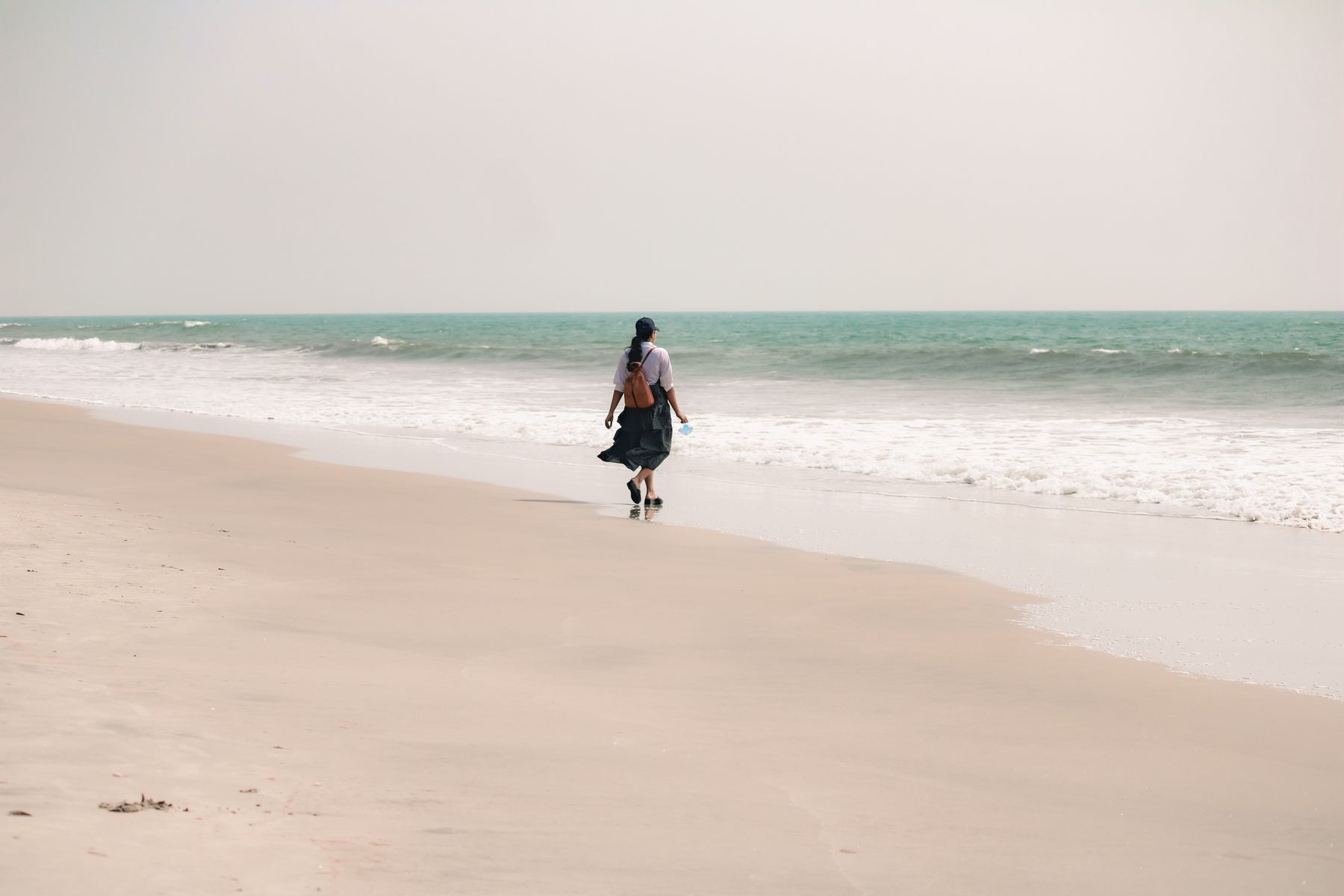
Elegushi Royal Beach: Where Lagos Comes to Party
Elegushi Royal Beach remains Lekki's most visited shoreline, drawing weekend crowds to its two-kilometre stretch along Lekki-Epe Expressway near Ikate. The beach operates daily from 8am to 8pm, charging ₦1,000 weekday entry and ₦2,000 on Saturdays and Sundays when the music thumps loudest and the grills smoke from noon onwards. You'll find the sand cleanest early morning before 10am or after 5pm when the tide sweeps in and most day-trippers head home. Horseback riding costs ₦3,000 for a fifteen-minute guided trot along the waterline, while jet ski rentals run ₦8,000 for ten minutes with life jackets provided. The northern section near the main gate stays calmer than the southern party zone, where beach bars stack Castle Lager and Star bottles in ice-filled coolers and DJs set up under thatched canopies every weekend. December through February brings the driest weather and calmest seas, though weekends see parking overflow onto the expressway service road.
Food vendors cluster near the entrance selling suya skewers for ₦1,500, grilled croaker fish at ₦4,000, and jollof rice plates for ₦2,000, with plastic tables scattered under almond trees providing shade from the midday sun. Changing rooms and showers cost an additional ₦200, basic but functional with concrete floors and cold water only. The beach faces southeast, so mornings offer the best light for photographs before the sun climbs too high and washes out the colours. Security guards patrol regularly, and the gated entrance keeps hawkers mostly contained, though you'll still encounter the occasional vendor selling coconuts for ₦500 or sunglasses for ₦1,000. I'd book accommodation along Admiralty Way or nearby Ikate to reach Elegushi within a ten-minute drive, avoiding the expressway traffic that clogs every Friday evening and stays heavy until Sunday night when everyone returns to the mainland.
Oniru Private Beach: The Quieter Alternative
Oniru Private Beach sits three kilometres west of Elegushi, accessible via Oniru Palace Road off Lekki-Epe Expressway, offering a more controlled environment with better facilities and fewer crowds. Entry costs ₦1,000 any day of the week, with organized zones for families, couples, and groups who want barbecue pits and sound systems. The beach management maintains the sand daily, removing debris that washes up overnight and raking smooth the areas around the thirty permanent cabanas available for ₦5,000 daily rental. Each cabana includes four loungers, a low table, and enough shade for six people, positioned far enough apart that you won't hear your neighbours' conversations. The water stays shallow for fifteen metres out, making this the safest swimming spot in Lekki for anyone uncomfortable with strong currents, though lifeguards still recommend staying within the marked zones indicated by yellow buoys.
A proper restaurant operates on-site serving pepper soup for ₦3,500, fried plantain and fish for ₦4,500, and cold drinks from a bar that stocks Chapman at ₦1,500 and fresh coconut water at ₦800. Volleyball nets go up Saturday and Sunday mornings when local clubs arrive for tournaments, and you can join pickup games without charge. The beach bans outside alcohol but allows food, and the management provides cooler rentals for ₦2,000 if you bring picnic supplies. Parking costs ₦500 in a proper lot with attendants, safer than the informal arrangements at other beaches. Oniru works best for travellers who want beach atmosphere without the noise and chaos of Elegushi, especially families with children who need clean toilets—the facilities here include seated Western-style options with running water and soap. Hotels in Oniru Estate or along Admiralty Way put you within a five-minute walk or two-minute drive, and you'll pass the beach entrance heading toward Victoria Island, making it convenient for combining beach days with shopping or business meetings on the island.
Takwa Bay: The Speedboat Escape
Takwa Bay technically sits outside Lekki proper on a peninsula accessible only by water, but speedboats depart from Tarzan Jetty in Lekki Phase 1 every hour from 8am to 5pm, making the fifteen-minute crossing for ₦1,500 per person each way. The beach itself charges no entry fee once you arrive, and the isolation from road traffic creates a completely different atmosphere from the expressway beaches. The village behind the sand hosts maybe three hundred permanent residents who run small restaurants, rent beach chairs for ₦500, and offer changing facilities in their homes for ₦200. The water stays notably calmer than the open ocean beaches because the harbour breakwaters reduce wave action, and the seabed slopes gradually, letting you wade out thirty metres and still touch bottom. Local kids offer to guide you to the lighthouse at the peninsula's tip, a forty-minute walk along a rocky path that rewards you with views back across Lagos Harbour toward Apapa and Tin Can Island ports.
Bring cash because no vendor accepts cards, and bring drinking water because the local supply sometimes runs low during dry season January through March when visitor numbers peak. The last boat back leaves at 5:30pm regardless of how many passengers wait, so plan your return before sunset at 6:45pm or accept paying ₦10,000 to charter a private ride. Grilled barracuda costs ₦3,000, rice and stew goes for ₦1,500, and Star beer runs ₦400 from coolers packed with ice blocks that vendors replenish each morning on the supply boats. I'd skip Takwa Bay if you need WiFi, proper bathrooms, or guaranteed comfort, but choose it when you want genuine escape from Lagos hustle, just sand and water and fishing boats rocking at anchor. The journey suits travellers staying anywhere in Lekki Phase 1, Oniru or Victoria Island who can reach Tarzan Jetty within twenty minutes, making this a viable day trip without needing to commit to overnight stays in the village where basic guesthouses charge ₦8,000 for rooms with fans and shared facilities.
Ilashe Beach: For Overnighters and Groups
Ilashe Beach occupies another water-access peninsula, this one larger and more developed than Takwa Bay, with boats departing from Badore Jetty in Ajah every two hours from 9am to 3pm, charging ₦2,000 per person for the twenty-minute crossing. The beach attracts weekend groups who book the fifteen rustic chalets scattered behind the tree line for ₦15,000 to ₦25,000 per night depending on size and sea views. Each chalet includes beds with mosquito nets, fans running on generator power from 6pm to 11pm, and basic furniture, though you'll share bathroom blocks positioned every fifty metres along the beach. The appeal lies in the overnight experience—waking to fishing boats heading out at dawn, swimming before breakfast, and claiming your patch of sand without competing with day-trippers who clog other beaches by 11am. The village offers restaurant service with advance notice, preparing jollof rice for ₦2,500, grilled chicken at ₦5,000, and seafood platters featuring prawns and crab for ₦8,000 when available from morning catches.
Activities include kayak rentals at ₦3,000 per hour, bonfire setups for ₦5,000 including firewood, and guided fishing trips departing 5am or 4pm for ₦10,000 per boat carrying up to four passengers. The beach stretches three kilometres, giving you space to walk south toward the mangrove channels or north toward rockier sections where crabs scatter between pools at low tide. Mobile signals work intermittently on MTN and Airtel networks, so inform people you'll be partially offline if staying overnight. I'd recommend Ilashe for friend groups splitting chalet costs or couples wanting a genuine getaway without flying to Ghana or Cotonou for beach weekends, but solo travellers might find better value and comfort at Lekki hotels near Elegushi or Oniru beaches. Book through WhatsApp contact numbers displayed at Badore Jetty, paying deposits via bank transfer and settling balances in cash on arrival. The journey from central Lekki hotels in Phase 1 to Badore Jetty takes thirty-five minutes in light traffic, doubling during Friday afternoon when everyone escapes toward Ajah and beyond.
Alpha Beach: The Surfers' Choice
Alpha Beach lies east past Elegushi, reached via a turnoff from Lekki-Epe Expressway near Chevron roundabout, where a rough access road leads one kilometre to the shoreline. Entry costs ₦500, and the beach attracts surfers November through March when swells reach one to two metres and winds blow offshore during morning hours before 11am. Local surf instructors charge ₦5,000 for hour-long beginner lessons including board rental, or you can rent boards alone for ₦2,000 hourly if you already know how to paddle out and catch waves. The beach stays less developed than Elegushi or Oniru, with simpler facilities and fewer food options, but the trade-off comes in better waves and more space to spread out. Weekdays see perhaps fifty visitors maximum, mostly serious swimmers and the handful of surfers who've discovered this spot, while weekends bring families from nearby Chevron Estate and Agungi who prefer the lower entrance fee and relaxed vibe.
Two small bars serve grilled fish for ₦3,500, chips for ₦1,000, and cold drinks at standard beach prices around ₦400 for beer and ₦200 for soft drinks. The beach faces directly south, catching fuller wave energy than beaches angled southeast or southwest, which explains why experienced swimmers prefer Alpha despite the stronger currents that make it unsuitable for children or weak swimmers. Lifeguards patrol weekends only, so weekday visitors swim at their own risk, and I'd only recommend entering the water if you're confident in open ocean conditions. Changing facilities consist of basic wooden structures with cold showers, functional but nothing special. The best reason to visit Alpha Beach comes down to those morning surf sessions between 7am and 10am when the water glows green-blue under slanting light and you might share the lineup with just three or four other surfers. Hotels near Chevron or along Orchid Road put you fifteen minutes away by car, though traffic from Admiralty Way or Phase 1 can stretch to forty minutes during morning rush before 9am.
Planning Your Beach Days: Practical Details
Lekki's dry season runs November through March, offering the most reliable beach weather with temperatures between 26°C and 32°C, minimal rain, and calmer seas especially January through February when harmattan winds from the Sahara dry out the humidity. April through June brings heavy rains that wash out beach plans, while July and August see lighter showers and occasional sunny breaks, and September through October remains unpredictable with storms rolling in off the Atlantic. Weekdays provide the best experience at any beach, with cleaner sand, easier parking, and space to actually relax rather than jostling for position among weekend crowds that triple or quadruple visitor numbers. Most beaches see their heaviest traffic Saturday afternoons from 1pm to 5pm when the music peaks and every available patch of sand fills with coolers, blankets, and portable speakers.
Bring reef-safe sunscreen because the equatorial sun burns in thirty minutes, and pack your own towels because beach rentals cost ₦1,000 for thin cotton wraps that barely dry you off. Waterproof phone pouches run ₦2,000 from vendors at every beach entrance, worth buying to protect devices from sand and spray when you inevitably want photos. None of these beaches offer reliable WiFi, so download maps, entertainment, and any information you'll need before leaving your hotel. I'd base myself somewhere between Oniru and Ikate for easiest access to multiple beaches—hotels along Admiralty Way put you ten minutes from Oniru Beach, fifteen from Elegushi, and twenty-five from Alpha Beach, while still keeping you close to the restaurants, shops, and services concentrated in Lekki Phase 1. Travellers staying toward Ajah near Chevron gain proximity to Alpha Beach and Badore Jetty for Ilashe trips but sacrifice convenience for mainland Lagos connections. The Lekki-Ikoyi Link Bridge toll costs ₦500 toward the island if you're combining beach days with Victoria Island or Ikoyi activities, and remember that Friday afternoon traffic turns the fifteen-minute bridge crossing into a forty-minute crawl.
Questions, answered
Which Lekki beach is safest for swimming with children?
Oniru Private Beach offers the safest conditions with shallow water extending fifteen metres from shore, marked swimming zones with yellow buoys, and lifeguards on duty daily. The beach management maintains cleaner facilities including proper toilets, and the controlled entry reduces crowding. Entry costs ₦1,000 with cabana rentals at ₦5,000 providing shaded family spaces. Avoid Elegushi on weekends when crowds make supervision difficult, and skip Alpha Beach entirely with children due to strong currents.
Can I visit Takwa Bay or Ilashe Beach as a day trip?
Takwa Bay works perfectly as a day trip with boats departing Tarzan Jetty in Lekki Phase 1 every hour from 8am to 5pm at ₦1,500 each way for the fifteen-minute crossing. The last return boat leaves at 5:30pm. Ilashe Beach suits day visits too, with boats from Badore Jetty in Ajah every two hours from 9am to 3pm at ₦2,000 per person for twenty minutes, though the overnight chalet experience justifies staying if you have time and company to split costs.
What's the best month to visit Lekki beaches?
January and February deliver the most reliable beach weather with minimal rain, calmer seas, temperatures around 28°C to 30°C, and lower humidity thanks to harmattan winds. November and December offer good conditions but busier crowds as holiday visitors arrive. March sees increasing heat before April rains begin. Surfers target November through March for better swells at Alpha Beach, particularly morning sessions before 11am when offshore winds create cleaner wave faces.
Do Lekki beaches have proper facilities and food options?
Oniru Private Beach maintains the best facilities with seated toilets, running water, showers, and an on-site restaurant serving pepper soup for ₦3,500 and fish plates at ₦4,500. Elegushi Royal Beach offers basic changing rooms for ₦200 and numerous vendors selling suya, jollof rice, and grilled fish between ₦1,500 and ₦4,000. Alpha Beach and Takwa Bay provide simpler facilities—cold water showers and pit toilets—with limited food from small vendors. Bring cash everywhere as card payments remain unreliable.
Where should I stay in Lekki for easy beach access?
Hotels along Admiralty Way or in Ikate offer optimal access, placing you ten minutes from Oniru Beach, fifteen from Elegushi, and under thirty from Alpha Beach or Tarzan Jetty for Takwa Bay boats. Phase 1 locations work well too, keeping you close to restaurants and services while maintaining beach proximity. Staying near Chevron or Ajah suits travellers prioritizing Alpha Beach or Ilashe trips but increases travel time to central Lekki attractions and Victoria Island connections across the toll bridge.
Doing good is the business: every booking through Stay Lekki funds one verified tonne of carbon removal — same room, same price, no markup.
Start Your Search