Start in Lekki Phase 1: galleries, studios and the Lekki-Ikoyi link
Begin on the Lekki Phase 1 side, where the Lekki-Ikoyi Link Bridge drops you within ten minutes of the small commercial streets off Admiralty Way and Fola Osibo Road. This is the most walkable pocket of Lekki for art: a handful of independent galleries and photography studios sit in converted townhouses, usually open Tuesday to Saturday, roughly 10am to 6pm. Expect free entry at most, with framed prints and small canvases in the ₦20,000 to ₦150,000 range depending on the artist. Weekday mornings are quietest, and the rains from June to September make covered stops like these essential.
Park near the Admiralty Way roundabout and walk rather than drive between stops — parking along Fola Osibo is tight and roadside drainage makes some stretches awkward after rain. Two or three venues will fill a relaxed half-day. If you want one base for galleries, cafés and an easy bridge crossing into Ikoyi, book a hotel in Lekki Phase 1; it is the least car-dependent part of the corridor and the shortest run to the Island.
The Craft and Textile Trail: Lekki Market to Ikota
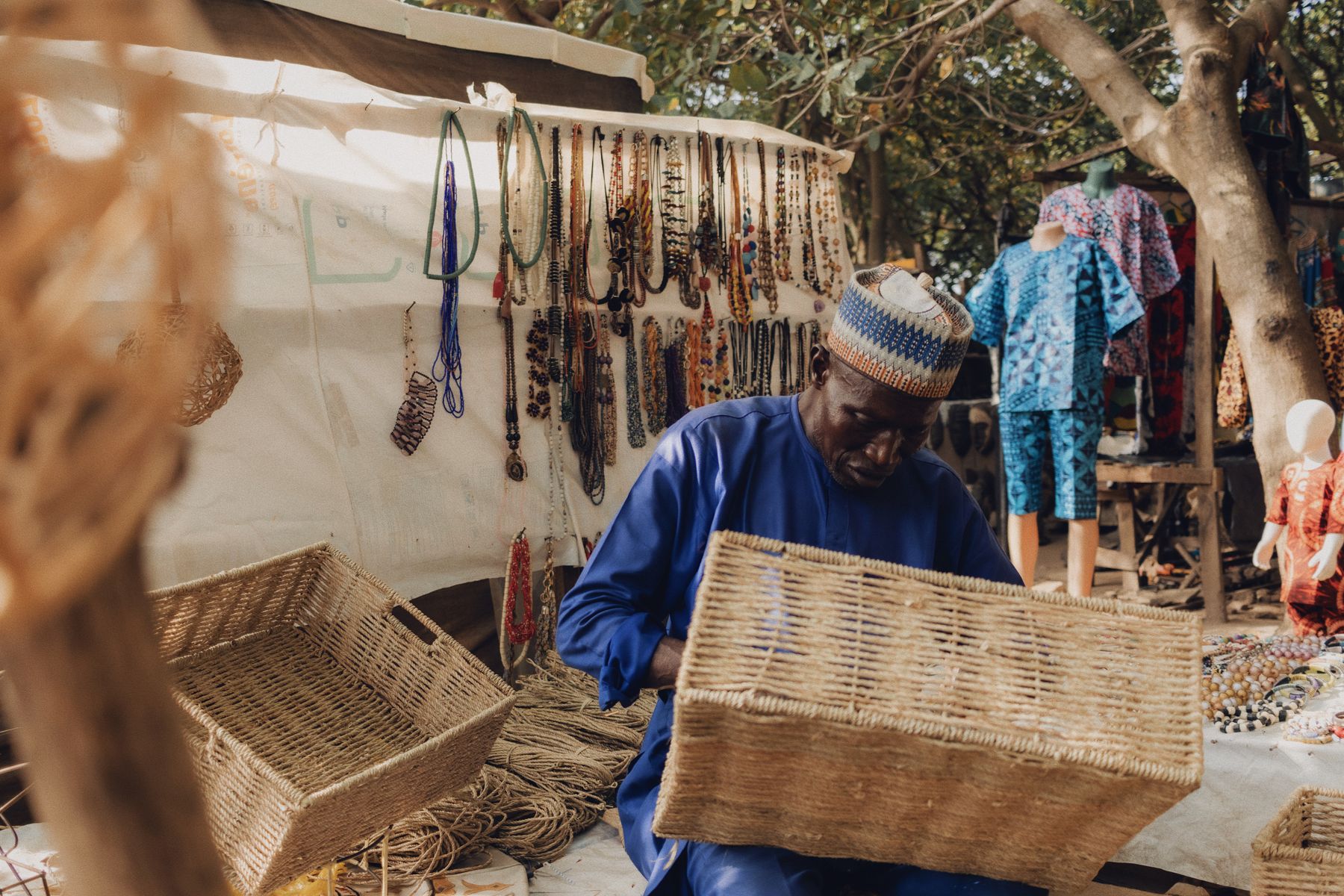
For actual craft rather than wall art, head to the Lekki Market area and the craft stalls clustered near the Lekki Toll Gate, then work inland. Adire and batik workshops, beadwork sellers and carvers appear along the Ikota and Ajah stretch, often in informal compounds rather than shops — Wednesday and Saturday are the busiest days, and prices are negotiable, with a good adire cloth typically quoted in the low tens of thousands of naira. Ask before photographing people or their work.
The honest trade-off: this section is not a strolling neighbourhood. Distances between stalls run 2 to 5km, traffic on the Lekki-Epe Expressway can turn a fifteen-minute hop into forty, and walking between venues is only realistic around Ikota's market cluster. Book a hotel in Ikota or along the Ajah axis if craft is your priority — you cut the expressway crossings and reach the workshops before the mid-morning build-up. Skip the roadside stops advertised near the toll gate; they are repetitive and priced for passers-by.
A quieter route: Lakowe and the Lekki Conservation Centre edge
East of Ajah, the character changes. Around Lakowe, about 45 to 60 minutes from Lekki Phase 1 outside peak traffic, you find low-key studios, sculpture gardens and craft workshops attached to the golf estate corridor — often by appointment only, so message ahead. Combine this with the Lekki Conservation Centre canopy walk on the Lekki-Epe Expressway, where the short walking trail and treetop bridge make a natural pause between studio visits. The centre charges a modest entry fee; check current hours before setting out, as they vary seasonally.
This is the route I would book for a slower two-day trip: one hotel night near Ikota, one further east around Lakowe, and no more than two studio stops a day. Best months are November to February, when the dry harmattan haze softens photographs and the heat is manageable in the early morning. Avoid trying to link Lakowe and Lekki Phase 1 in a single afternoon — the return journey through Ajah gridlock can double your drive time.
Practicalities: timing, transport and where to stay
Lagos traffic dictates the art route more than opening hours do. Aim to be at your first stop by 9am and finish by 3pm; after that, the Lekki-Epe Expressway and the Ajah roundabout become unpredictable. Ride-hailing works from Lekki Phase 1 and Ikota but thins out around Lakowe, so arrange a return pickup or keep a driver for the day. Carry cash in small denominations for craft purchases and entry fees, and confirm venue hours by phone — weekend-only openings are common at independent studios.
For a first visit, I would choose a hotel in Lekki Phase 1, walk the gallery cluster on day one, then take a single driven loop to Ikota's craft stalls on day two, skipping the Lakowe stretch unless you have three nights. The Phase 1 base gives you restaurants, pharmacies and reliable transport, and you lose nothing on the art itself. Book midweek for better rates and easier parking, and confirm your dates against the December and Easter peaks, when rooms along the corridor fill quickly.
Questions, answered
How many days do I need for the Lekki art and craft route?
Two days covers the gallery cluster in Lekki Phase 1 and the craft stalls around Ikota comfortably. Add a third night for Lakowe and its sculpture gardens, which sit 45 to 60 minutes further east and are usually by appointment.
When is the best time of year to walk this route?
November to February brings dry, hazy weather and the most comfortable early-morning walks. June to September brings heavy rain, so plan indoor gallery stops and keep craft-market visits short and covered where possible.
Should I stay in Lekki Phase 1 or Ikota?
Lekki Phase 1 suits a first trip: walkable galleries, easy bridge access to Ikoyi and reliable ride-hailing. Ikota suits craft-focused travellers who want fewer expressway crossings. Choose one base rather than splitting a short stay.
Doing good is the business: every booking through Stay Lekki funds one verified tonne of carbon removal — same room, same price, no markup.
Start Your Search